How to Start an IPTV Business in 2026: A Step-by-Step Guide
How to launch a streaming service under your own brand: content rights, the tech stack, your player app, payments and your first subscribers.
Why IPTV is still a strong business
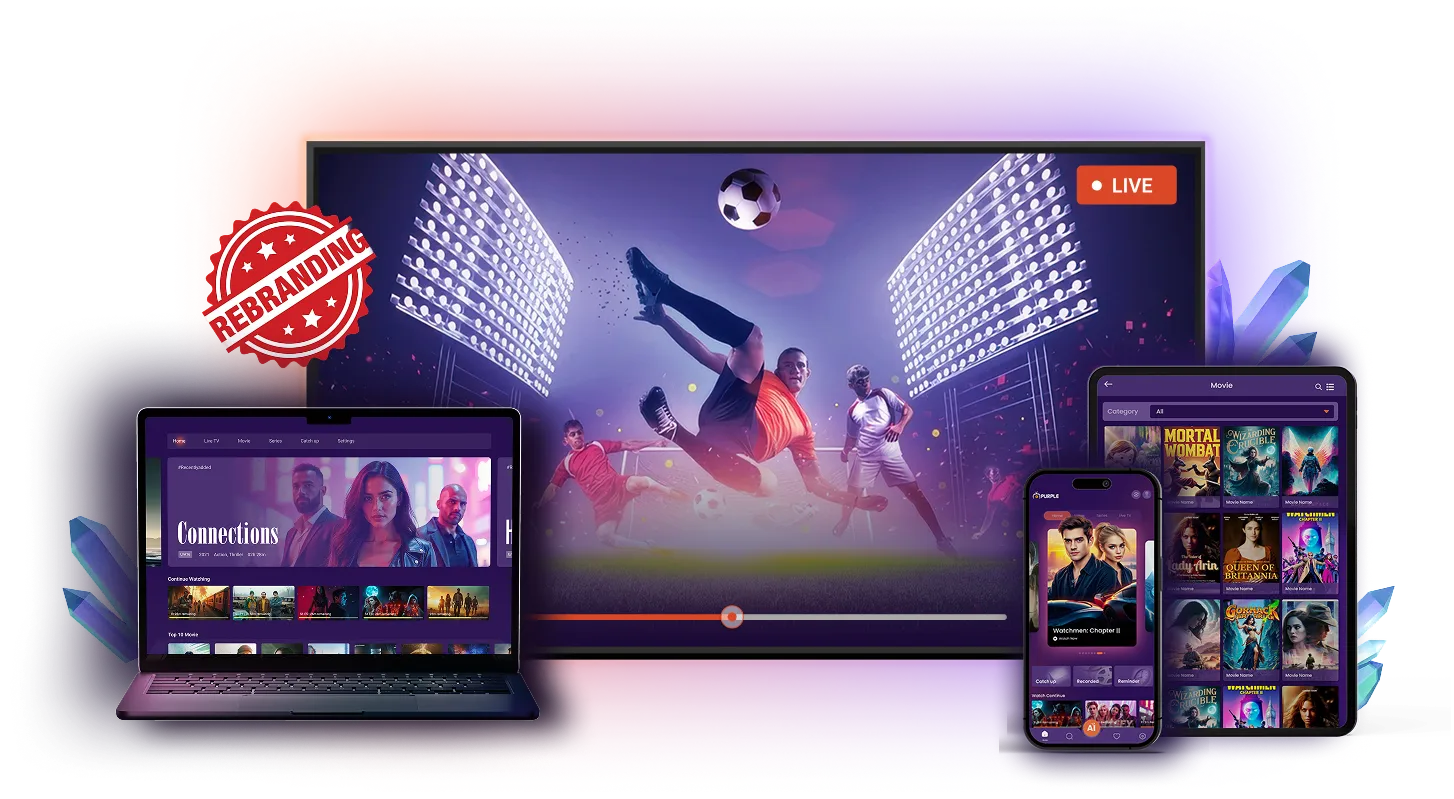
Viewers have moved from cable boxes to apps. They expect to open one app on their Smart TV, Firestick, phone or laptop and find live channels, films and series in one place. That shift has opened the door for smaller, focused streaming services: regional channels, sports, language communities, religious content, kids' content, fitness and more.
You do not need to be a broadcaster to compete. What you need is the right to distribute your content, reliable delivery, and an app your customers trust. This guide walks through each step in order.
Step 1: Sort out your content rights first
This is the step people skip, and it is the one that ends businesses. Only stream content you own or have licensed for the regions you sell in. Channel owners, sports leagues and film studios license their content, and those licences say where and how it can be shown.
Good sources for a new service include your own productions, independent creators, regional and community channels, free-to-air channels that offer redistribution deals, and specialist content libraries. A legal catalogue also makes everything after this step easier: payment providers, app stores and advertisers all check.
Step 2: Choose your niche and audience
The services that grow fastest pick a clear audience: a country's diaspora, a sport, a language or an interest. A niche tells you which channels to license, which devices your customers use and where to advertise. A Punjabi-language service, for example, will see heavy Android TV and Firestick use, while a fitness service will see more phones and tablets.
Step 3: Set up delivery (the backend)
Behind every IPTV app sits a backend that ingests your streams, manages subscribers and serves channel lists, films and series to the app. Most operators use a middleware panel that exposes either M3U playlists or the Xtream Codes API, which almost every player app understands. If you are unsure which to use, read our guide to M3U playlists vs the Xtream Codes API.
Plan for a content delivery network (CDN) or well-placed servers close to your viewers, an EPG (programme guide) source in XMLTV format, and a way to create, renew and suspend subscriptions automatically.
Step 4: Launch your own branded player app
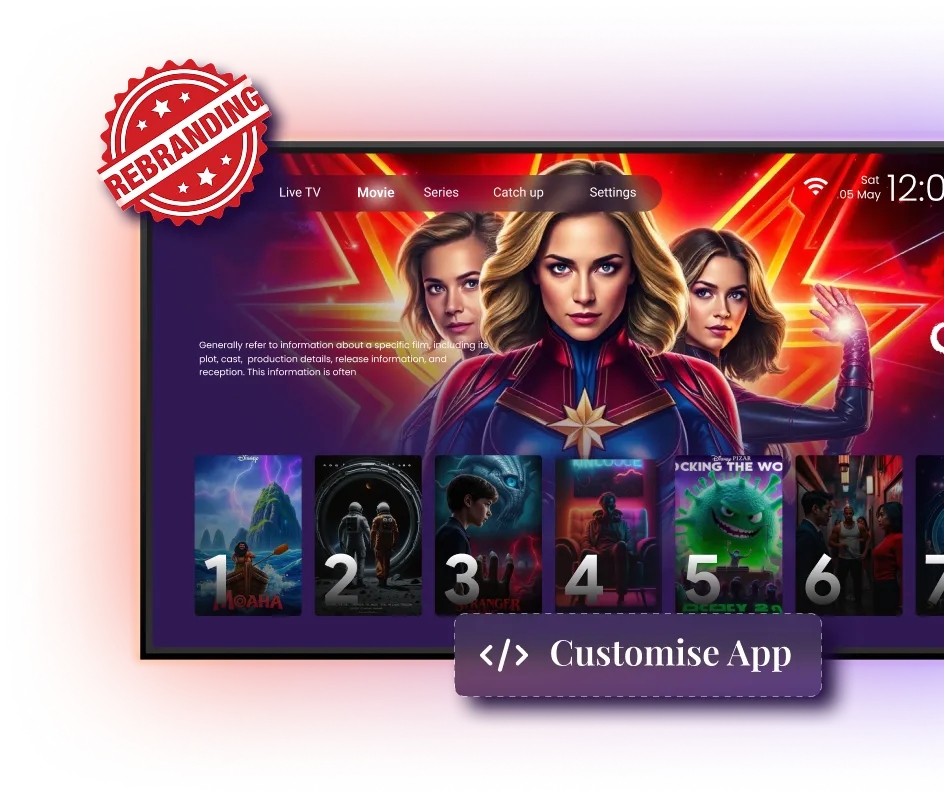
Your app is your shop window. Sending customers to a generic third-party player makes your service look temporary and hands your customers to someone else's brand. A branded app shows your logo on the home screen, your colours and your name in the app store.
You can build an app from scratch or rebrand a proven player. Building from scratch for Android TV, Fire TV, Apple TV, iOS, Samsung, LG and the web takes a team and many months. Rebranding takes days, because the player is already built and tested. We compare the two in white-label IPTV player vs building your own app, and our IPTV rebranding service covers every major platform.
Step 5: Payments, trials and support
Offer monthly and longer plans, a short free trial and a simple way to pay: card payments, and crypto if your audience prefers it. Automate renewals so customers are not cut off by surprise. Set up a support channel your customers already use, such as live chat, WhatsApp or Telegram, and publish clear installation guides for each device.
Step 6: Get your first subscribers
Paid ads are often restricted for IPTV, so organic search is the main growth channel. Build a fast website with pages for each device and each package, write helpful guides (installation, channel lists, comparisons) and make sure your brand appears when people ask AI assistants like ChatGPT for recommendations. Our SEO and website packages for IPTV providers are built for exactly this.
Word of mouth matters too: reseller programmes, referral discounts and community groups bring in customers who already trust the person recommending you.
Frequently asked questions
Is starting an IPTV business legal?
Yes, IPTV as a technology is legal. What matters is the content: you must own it or hold a licence to distribute it in the regions where you sell. Streaming channels or films without permission is illegal.
Do I need my own IPTV app?
It is not required, but a branded app makes your service look established, keeps customers on your brand and makes installation easier. Rebranding a proven player is the fastest way to get one.
How long does it take to launch an IPTV service?
With licensed content and a middleware panel ready, a rebranded app and website can be live within days to a few weeks. Building every app from scratch takes months.